
Saudi archaeological discovery reveals evidence of human activity dating back 125,000 years
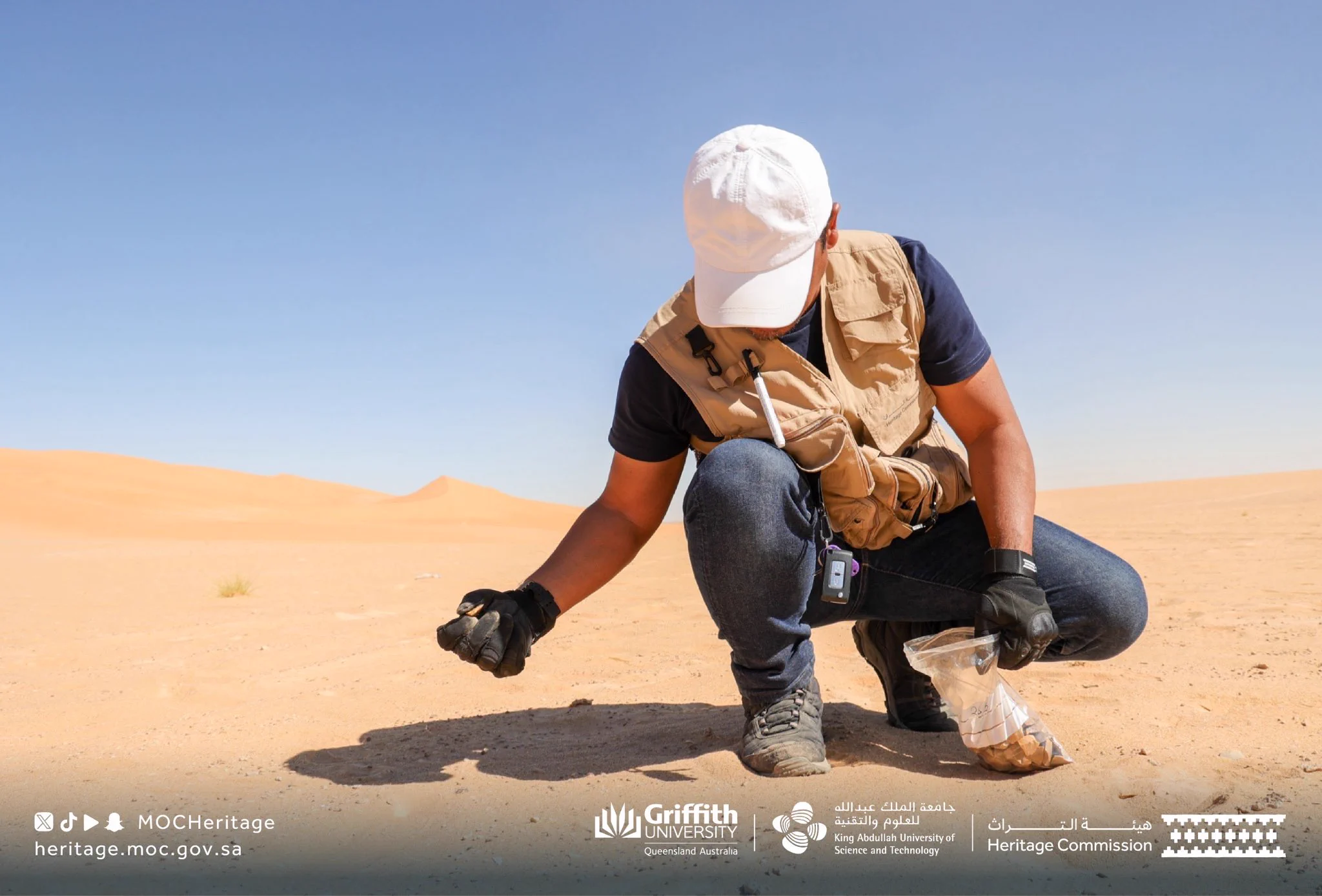
MAKKAH: Newly revealed archaeological discoveries in Saudi Arabia are offering a rare glimpse into a time when parts of the Empty Quarter were home to freshwater lakes, grasslands and abundant wildlife, providing favorable conditions for early human settlement.
A study published in the academic journal Science and carried out by the Kingdom’s Heritage Commission in collaboration with Australia’s Griffith University, King Abdullah University of Science and Technology, and several other Saudi and international research institutions, revealed evidence of human activity dating back around 125,000 years at the Uruq Al-Julaybah site on the shores of the Mundafan paleolake in Najran.
The findings suggest that Mundafan once covered roughly 340 square kilometers and reached depths of nearly 29 meters, creating a stable freshwater environment surrounded by open grasslands and vegetation during one…
Kutipan awal dari Arab News, ditulis oleh Tareq Al-Thaqafi. Hak cipta artikel milik penerbit.